20 Dimensions of Wellbeing, One Complete Picture of You
Centeredness Theory — a peer-reviewed framework published in Frontiers in Psychology and validated with Neuroscience Research Australia (NeuRA) — identifies 20 measurable dimensions that shape your wellbeing. They span five interconnected life spheres: Self, Family, Relationship, Work, and Community.
Explore each dimension below, or take the free assessment to see your full profile in under five minutes.

A dimension within the Self sphere, Adaptability measures your ability to maintain resilience and stay connected to yourself through change and adversity.
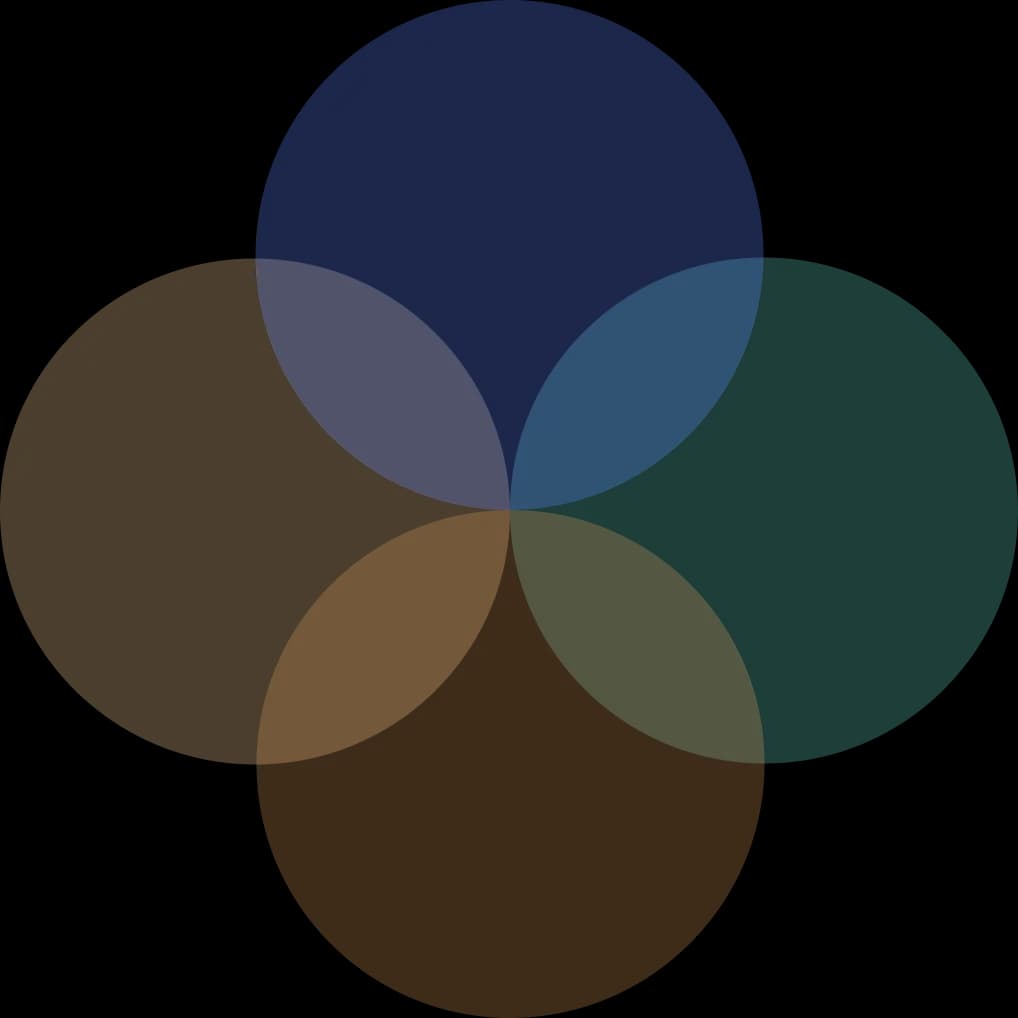

Self
The Self sphere measures the strength of your identity and your capacity to envision a purposeful future. It occupies the central position in your overall wellbeing, and because your five life spheres operate as an interconnected system, your Self scores are shaped by, and shape, everything else: your Family, Relationship, Work, and Community.
Sub-dimensions:
“I don’t wait for the ground to settle. I learn to move while it’s still shifting.”
What is Adaptability?
Adaptability is the capacity to reframe stress, absorb change, and continue functioning effectively when circumstances shift. In Centeredness Theory, it is one of four dimensions within the Self sphere, and it plays a critical role in maintaining your overall wellbeing during periods of uncertainty.
High adaptability does not mean ignoring difficulty. It means developing the cognitive flexibility to interpret unfamiliar situations as opportunities rather than threats. Research shows that individuals who score higher in adaptability recover faster from setbacks, maintain stronger social connections during transitions, and report greater life satisfaction over time.
Adaptability also acts as a protective factor across your other life spheres. When you can adjust to change within yourself, you bring more stability to your Family, more resilience to your Work, and more openness to your Relationship and Community. It is, in many ways, the dimension that keeps the whole system steady.
Show more
Explore Your Adaptability
Adaptability is one of 20 dimensions that make up your unique wellbeing profile. Understanding where you stand can reveal whether you’re drawing on this resource, or running on empty.
Take the free MAP assessment and receive your personalized Adaptability score alongside a complete picture of your wellbeing across all five life spheres.
“The clearer I see what’s happening inside me, the better I navigate what’s happening around me.”
What is Awareness?
Awareness is your ability to recognize and interpret the internal signals (emotions, intuitions, physical states) that influence how you think, decide, and act. Within Centeredness Theory, it is a core dimension of the Self sphere and a foundation for intentional living.
This is not passive observation. Awareness requires active engagement with your inner experience: noticing patterns in your emotional responses, identifying the triggers that pull you off course, and understanding the motivations behind your behavior. People with higher awareness scores tend to make more deliberate choices and report a stronger sense of personal direction.
Awareness also serves as a bridge between reflection and action. When you can clearly see your strengths and vulnerabilities, you gain the ability to course-correct in real time, not just in your personal life, but in how you show up for your family, your partner, your colleagues, and your community. It is the dimension that turns self-knowledge into meaningful change.
Show more
Explore Your Awareness
Self-awareness is one of the strongest predictors of overall wellbeing, yet most of us overestimate how well we know ourselves. Your MAP score reveals where your awareness is sharpest and where blind spots may be holding you back.
Discover your Awareness score in under five minutes and see how it connects to the other 19 dimensions of your life.
“Contentment isn’t the absence of ambition. It’s knowing how to enjoy where I am while working toward where I’m going.”
What is Contentment?
Contentment is the ability to experience genuine satisfaction with your present life, not as complacency, but as a grounded sense that what you have and who you are right now hold real value. In Centeredness Theory, it is a Self sphere dimension that acts as an emotional anchor during both calm and turbulent periods.
People who score higher in contentment are not simply optimistic. They possess the capacity to savor positive experiences, extract meaning from ordinary moments, and resist the comparison traps that erode wellbeing. Research consistently links contentment to lower stress reactivity, better emotional regulation, and a more sustained sense of purpose.
Contentment also creates a stabilizing effect across your other spheres. When you are at peace within yourself, you bring less anxiety into your Relationship, more patience to your Family, and more generosity to your Work and Community. Far from making you passive, contentment frees up the emotional energy you need to pursue what truly matters.
Show more
Explore Your Contentment
Contentment is often misunderstood as settling. In reality, it is one of the most powerful dimensions for sustained wellbeing: the quiet engine behind lasting satisfaction.
Take the free MAP assessment to discover your Contentment score and see how it shapes your overall wellbeing profile.
“I don’t need the whole path laid out. I just need to feel pulled forward by something that matters.”
What is Inspiration?
Inspiration is your connection to a meaningful vision of the future, one that pulls you forward through difficulty and gives your daily actions a sense of direction. Within Centeredness Theory, it is the Self sphere dimension most closely linked to purpose, motivation, and long-term fulfillment.
This is not about fleeting bursts of enthusiasm. Inspiration, as measured by MAP, reflects a sustained orientation toward goals that resonate with your deepest values. People who score higher in this dimension tend to persevere through obstacles not because they are tougher, but because they have a clearer understanding of why their efforts matter.
Inspiration also has a multiplier effect across your other spheres. When you are connected to a compelling sense of purpose, you bring more energy to your Work, more intentionality to your Relationship, and more engagement to your Family and Community. It is the dimension that transforms effort from obligation into meaning.
Show more
Explore Your Inspiration
Without a connection to something meaningful ahead, even the best routines eventually lose their pull. Your Inspiration score reveals how strong that connection is, and where to strengthen it.
Start the free MAP Centeredness Assessment and see how Inspiration fits within your complete 20-dimension profile.
Explore Your Self Sphere
How strong is your foundation? Your Self sphere reveals the inner resources you draw on every day.
Take the free MAP Centeredness Assessment to receive detailed scores across Adaptability, Awareness, Contentment, and Inspiration, and discover how these four dimensions influence your capacity to lead a purposeful, centered life.
A dimension within the Family sphere, Care measures the responsibility you take for nurturing your family’s emotional and physical wellbeing.
Family
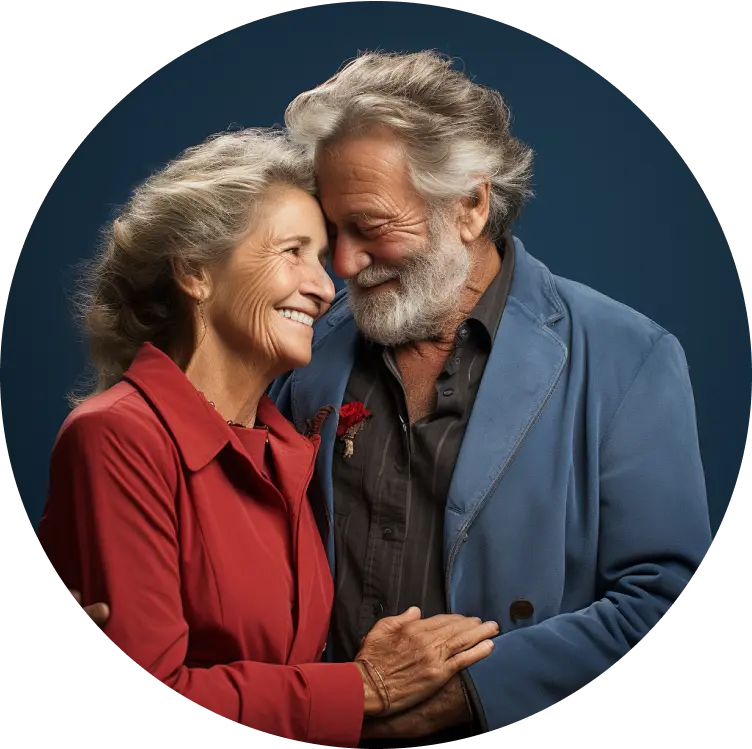
Your closest bonds shape everything. The Family sphere captures the depth of your familial bonds, the cohesion within your household, and the sense of belonging that sustains long-term family wellbeing. Your scores here reflect how you nurture these relationships, and because all five spheres are interconnected, your Family life is shaped by your Self, Relationship, Work, and Community.
Sub-dimensions:
“Caring for my family isn’t a duty I perform. It’s a choice I make every day, and it comes back to me in ways I didn’t expect.”
What is Care?
Care is the active commitment to nurturing the wellbeing of your family members through genuine concern, empathetic dialogue, and consistent presence. In Centeredness Theory, it is a core dimension of the Family sphere that reflects how deeply you invest in the people closest to you.
This goes beyond surface-level affection. Care involves prioritizing your family’s emotional and physical needs, sometimes at the cost of your own time and energy. Research shows that families with strong care dynamics report higher levels of trust, lower rates of conflict, and greater resilience during periods of stress. The effects are physiological as well: consistent caregiving is associated with calmer nervous system responses and improved cardiovascular health.
Care also creates a feedback loop across your other spheres. When you invest meaningfully in your family, you often find greater stability in your Relationship, more emotional grounding in your Self, and a stronger sense of purpose in your Work and Community. It is one of the dimensions where giving and receiving are nearly inseparable.
Show more
Explore Your Care
Care is the emotional infrastructure of family life. Understanding your score reveals whether you’re building the kind of bonds that sustain everyone, including yourself.
Take the free MAP assessment to see your Care score alongside your full 20-dimension wellbeing profile.
“The conversations we avoid shape our family just as much as the ones we have.”
What is Communication?
Communication is the quality of emotional and practical dialogue within your family, not just how often you talk, but how openly and honestly you share what matters. In Centeredness Theory, it is a Family sphere dimension that directly predicts relational satisfaction and household stability.
Effective family communication involves the willingness to express your true thoughts and feelings, even when it’s uncomfortable. Research shows that families who practice open dialogue experience less resentment, resolve conflicts faster, and maintain stronger bonds over time. Expressing gratitude and appreciation fuels cycles of positivity, while addressing difficult emotions (anger, disappointment, unmet needs) allows boundaries to be defined and respected.
Communication skills developed within the family also transfer to every other sphere. The ability to listen without judgment, speak with honesty, and navigate disagreement constructively strengthens your Relationship, improves your Work dynamics, and deepens your Community engagement. It is, in many respects, the dimension that keeps families connected through every stage of life.
Show more
Explore Your Communication
Most families believe they communicate well. Your MAP score reveals what’s actually happening beneath the surface, where dialogue is strong, and where important conversations may be missing.
Get your Communication score in minutes and see how it connects to your overall family wellbeing.
“Showing up for my family isn’t about being perfect. It’s about being present, consistently, not just when it’s convenient.”
What is Participation?
Participation is the degree to which you understand your role within your family and actively contribute to its functioning. In Centeredness Theory, it is a Family sphere dimension that measures not just presence, but meaningful engagement, the kind that creates belonging and shared purpose.
Families are more than collections of individuals living under one roof. They are social systems with roles, responsibilities, and traditions that shape each member’s sense of identity. When you understand your place within that structure and embrace what it asks of you, the results are measurable: stronger cohesion, deeper trust, and a shared sense of direction. Conversely, low participation scores often signal disconnection that affects the entire household.
The wellbeing benefits of participation extend well beyond the family. Shared rituals and consistent engagement build emotional resilience that protects against loneliness, strengthens your Work engagement, and enriches your involvement in broader Community networks. Centered families, in turn, often become positive forces in the communities around them.
Show more
Explore Your Participation
Being physically present and being truly engaged are different things. Your Participation score reveals how actively you’re contributing to the family dynamics that matter most.
Explore your Participation score and see how it fits within your complete wellbeing profile, free, in under five minutes.
“The strongest families aren’t the ones who agree on everything. They’re the ones who make room for difference.”
What is Receptiveness?
Receptiveness is your capacity to accept and celebrate the differences within your family (in opinions, motivations, values, and ways of living). In Centeredness Theory, it is the Family sphere dimension most closely tied to long-term relational health and individual autonomy within the family unit.
This is not about tolerating harmful behavior or ignoring boundaries. Receptiveness is the deliberate choice to allow each family member to retain their unique identity without requiring conformity as the price of belonging. Families with higher receptiveness scores tend to navigate generational differences, shifting values, and individual growth with less friction and more mutual respect.
Receptiveness also creates safety. When family members feel accepted for who they are, they are more likely to communicate openly, take emotional risks, and engage more fully in family life. This openness extends outward, enriching your Relationship, deepening your Community connections, and reinforcing the sense of psychological safety that supports wellbeing across every sphere.
Show more
Explore Your Receptiveness
Acceptance within the family is one of the strongest predictors of emotional security. Your Receptiveness score reveals how much space your family dynamic truly allows for individual difference.
Take the free MAP Centeredness Assessment to see your full Family sphere profile and how it connects to the rest of your life.
Explore Your Family Sphere
Your family shapes your foundation. But how much are you shaping the dynamic in return?
Take the free MAP Centeredness Assessment to receive detailed scores across Care, Communication, Participation, and Receptiveness, and see how these four dimensions influence the health and harmony of your family life.
A dimension within the Relationship sphere, Enrichment measures how much your partnership contributes to mutual growth and expanded perspectives.

Relationship
A strong partnership does not happen by accident. The Relationship sphere tracks the depth, fulfillment, and mutual growth within your partnership. Your scores reflect how connected you are to your partner, and because all five spheres form an interconnected system, the quality of your intimate relationship both influences and is influenced by your Self, Family, Work, and Community.
Sub-dimensions:
“The best thing about this relationship isn’t comfort. It’s that I keep becoming someone I couldn’t have become alone.”
What is Enrichment?
Enrichment is the degree to which your partnership serves as a source of mutual growth, expanded perspective, and personal development. In Centeredness Theory, it is a Relationship sphere dimension that distinguishes thriving partnerships from those that merely survive.
A relationship that enriches both partners goes beyond companionship. It creates a space where each person is exposed to new ideas, challenged in their assumptions, and supported in pursuing their individual potential. Research shows that couples who experience high enrichment report greater life satisfaction, stronger individual identity, and more resilience during difficult periods, precisely because the relationship is a source of growth, not just stability.
The effects of enrichment radiate outward. When your partnership is a catalyst for personal development, you bring more energy to your Work, more openness to your Community, more emotional depth to your Family, and a stronger sense of Self. It is the dimension that makes a relationship feel like an expansion of who you are, rather than a constraint on it.
Show more
Explore Your Enrichment
Are you growing through your relationship, or growing around it? Your Enrichment score reveals whether your partnership is actively contributing to the person you’re becoming.
Discover your Enrichment score alongside your complete 20-dimension wellbeing profile, free and science-backed.
“Attention is the rarest gift I can give. Not grand gestures, just the consistent choice to truly notice.”
What is Attentiveness?
Attentiveness is your ability to balance your own needs with your partner’s, through listening, noticing, and responding with genuine care. In Centeredness Theory, it is a Relationship sphere dimension that reflects the quality of everyday interaction between partners, far more than occasional romantic gestures.
Being attentive means creating a space where your partner feels safe to express their desires, concerns, and vulnerabilities. This is not about sacrifice or self-erasure. It is about the deliberate choice to notice what your partner needs, even when they haven’t said it aloud. Research consistently shows that attentiveness is among the strongest predictors of relationship satisfaction and longevity.
Attentiveness also builds compound interest over time. Each moment of genuine care reinforces trust, deepens intimacy, and creates a pattern of mutual responsiveness that makes the relationship more resilient. Partners who score higher in attentiveness tend to navigate conflict more constructively, recover from misunderstandings faster, and maintain emotional closeness through life’s inevitable transitions.
Show more
Explore Your Attentiveness
Small, consistent acts of attention often matter more than grand gestures. Your Attentiveness score reveals how effectively you’re tuning in to what your partner needs most.
See how Attentiveness connects to every other dimension of your life with the free MAP Centeredness Assessment.
“Connection isn’t something we have. It’s something we build, deliberately, daily, even when it’s inconvenient.”
What is Connection?
Connection is the shared investment of time, energy, and intention that keeps a relationship vital. In Centeredness Theory, it is the Relationship sphere dimension that measures not compatibility, but commitment: the deliberate choice to prioritize the partnership’s health alongside your individual goals.
Strong connection does not happen by default. It requires conscious effort: prioritizing shared experiences, aligning on values and goals, and making consistent deposits into the emotional bank account of the relationship. Research shows that couples with high connection scores maintain closer bonds through periods of stress, busy schedules, and life transitions that typically erode intimacy.
Connection also serves as a stabilizing force across your other spheres. When your partnership is grounded in shared investment, you bring more emotional security to your Family, more focus to your Work, and a stronger sense of belonging to your Community. It is the dimension that turns a relationship from something you have into something you actively build.
Show more
Explore Your Connection
Relationships don’t fade from conflict alone. They fade from neglect. Your Connection score reveals how much deliberate investment is sustaining your partnership right now.
Take the free MAP assessment to see your Connection score alongside your full wellbeing profile.
“Understanding my partner doesn’t mean agreeing with everything. It means seeing clearly enough to love what’s actually there.”
What is Understanding?
Understanding is the ability to engage with your partner’s emotional reality (their feelings, desires, fears, and unspoken needs) with empathy, honesty, and vulnerability. In Centeredness Theory, it is the Relationship sphere dimension most closely tied to emotional security and lasting intimacy.
True understanding requires more than knowing your partner’s preferences. It demands the willingness to be vulnerable yourself: to state your own feelings and needs openly, and to receive your partner’s with genuine respect. When both partners practice this kind of emotional transparency, the relationship develops a foundation of stability that can weather disagreement, change, and the normal pressures of shared life.
Understanding also amplifies the other dimensions of your Relationship sphere. When you feel emotionally seen and safe, Enrichment deepens, Attentiveness becomes more natural, and Connection strengthens. The result is a partnership that serves as a source of calm and clarity, benefiting not only your relationship but your Family, Work, and broader wellbeing.
Show more
Explore Your Understanding
Emotional security in a relationship begins with being truly understood. Your Understanding score reveals how well you and your partner are navigating each other’s inner world.
Take the free MAP Centeredness Assessment and see how Understanding connects to the 19 other dimensions of your life.
Explore Your Relationship Sphere
A great relationship is not accidental. It is built through intentional, measurable behaviors.
Take the free MAP Centeredness Assessment to receive detailed scores across Enrichment, Attentiveness, Connection, and Understanding, and discover how these four dimensions shape the quality and resilience of your partnership.
A dimension within the Work sphere, Innovation measures your capacity to generate creative ideas and drive meaningful change in your professional life.

Work
You spend roughly a third of your waking life at work. The Work sphere examines your productive contribution to your professional life and the meaning you derive from it. Your scores reflect how engaged, purposeful, and impactful your work feels, and because all five spheres are interconnected, your professional wellbeing is influenced by, and feeds back into, your Self, Family, Relationship, and Community.
Sub-dimensions:
“Innovation isn’t about inventing from scratch. It’s about seeing what everyone else sees, and thinking something different.”
What is Innovation?
Innovation is your capacity to generate original ideas, challenge existing approaches, and drive meaningful change in your professional environment. In Centeredness Theory, it is a Work sphere dimension that reflects not just creativity, but the ability to channel creative energy into outcomes that matter.
Innovation goes beyond invention. It includes finding better ways to solve existing problems, improving how teams communicate, and recognizing opportunities that others overlook. People who score higher in this dimension report greater job satisfaction, not because their work is easier, but because they experience their contributions as genuinely impactful. The creative process itself becomes a source of energy and fulfillment.
Innovation also benefits from the strength of your other spheres. A secure Self fuels the confidence to take creative risks. Strong Relationship and Family provide the emotional stability that allows you to tolerate uncertainty. And an engaged Community exposes you to diverse perspectives that spark new thinking. Innovation, in this sense, is both a product of wellbeing and a contributor to it.
Show more
Explore Your Innovation
Creative stagnation at work affects more than your output. It affects your sense of purpose. Your Innovation score reveals how effectively you’re channeling your creative capacity into meaningful professional impact.
Uncover your Innovation score and see how it connects to the other 19 dimensions of your wellbeing, free, in under five minutes.
“Accountability isn’t pressure imposed from outside. It’s the alignment between what I’m good at and what the world needs.”
What is Accountability?
Accountability is the alignment between your individual strengths and a broader sense of professional responsibility. In Centeredness Theory, it is a Work sphere dimension that measures not just reliability, but the degree to which your work connects your personal capabilities to a purpose larger than yourself.
People with high accountability scores don’t simply meet expectations. They find genuine meaning in contributing to outcomes that matter beyond their own advancement. This alignment between personal strengths and external needs transforms routine tasks into sources of pride and motivation. Research shows that this kind of purpose-driven accountability is one of the strongest predictors of sustained professional engagement and reduced burnout.
Accountability also creates a positive cycle with your other spheres. When you feel that your professional contributions matter, you carry a stronger sense of identity (Self), bring more energy to your Relationship and Family, and feel more connected to your Community. It is the dimension that answers the question every person eventually asks: does what I do actually make a difference?
Show more
Explore Your Accountability
Working hard and working with purpose are not the same thing. Your Accountability score reveals how well your professional efforts are connected to something that genuinely matters to you.
Get your Accountability score and see how it shapes your overall wellbeing profile. The assessment takes under five minutes.
“Engagement is when your work stops feeling like time spent and starts feeling like time invested.”
What is Engagement?
Engagement is the degree to which your daily work aligns with your broader life aspirations and personal values. In Centeredness Theory, it is a Work sphere dimension that distinguishes people who find their professional life energizing from those who experience it as draining, regardless of workload or role.
True engagement is not the same as being busy. It is the experience of your professional tasks carrying significance beyond their immediate requirements, connecting to goals, values, and a vision of the person you want to become. Research shows that people with higher engagement scores are more productive, more creative, and significantly less susceptible to burnout, precisely because their work feels purposeful rather than obligatory.
Engagement also dissolves the false boundary between work and life. When your professional activity feels aligned with your personal aspirations, the energy flows both ways: your Work fuels your Self, your Relationship benefits from your fulfillment, and your Family and Community feel the positive effects of someone who comes home energized rather than depleted. High engagement reflects a deeper harmony: the sense that your professional and personal selves are reinforcing each other.
Show more
Explore Your Engagement
Disengagement at work doesn’t stay at work. It follows you home, into your relationships, and into your sense of self. Your Engagement score reveals how aligned your professional life is with the person you want to be.
Take the free MAP assessment to see your full Work sphere profile and how it connects to every other area of your wellbeing.
“The culture at work isn’t set by policy. It’s set by how we treat each other in the small moments.”
What is Supportiveness?
Supportiveness is your capacity to foster a cooperative, respectful, and nurturing atmosphere in your workplace. In Centeredness Theory, it is the Work sphere dimension that measures not just how well you do your job, but how much you contribute to an environment where others can do theirs.
Workplace interactions are more than transactions. Each conversation, meeting, and collaboration is an opportunity to either strengthen or weaken the team’s culture. People who score higher in supportiveness communicate thoughtfully, acknowledge others’ contributions, and create psychological safety, the conditions under which teams innovate, solve problems effectively, and sustain high performance over time.
Supportiveness also has measurable effects beyond the office. Research shows that employees who feel valued at work are healthier, report stronger personal relationships, and contribute more actively to their communities. Leaders who model supportive behavior catalyze these benefits for entire teams, creating workplaces where individual wellbeing and collective performance reinforce each other. It is one of the dimensions where professional and personal wellbeing are most clearly linked.
Show more
Explore Your Supportiveness
A supportive workplace doesn’t happen by accident. Your Supportiveness score reveals how much you’re contributing to the kind of professional environment where everyone, including you, can thrive.
Take the free MAP Centeredness Assessment and discover how your Work sphere connects to all five areas of your life.
Explore Your Work Sphere
Work occupies more of your waking life than almost anything else. How much of it feels meaningful?
Take the free MAP Centeredness Assessment to receive detailed scores across Innovation, Accountability, Engagement, and Supportiveness, and discover how these four dimensions shape your professional satisfaction and impact.
A dimension within the Community sphere, Confidence measures the strength of your belief that your community supports you, and that your contributions to it matter.

Community
No one flourishes in isolation. The Community sphere reflects your connection to the groups, networks, and broader society you belong to. Your scores reveal how engaged, compassionate, and confident you are in your communal roles, and because all five spheres form an interconnected system, your Community wellbeing is shaped by, and shapes, your Self, Family, Relationship, and Work.
Sub-dimensions:
“Confidence in community isn’t about standing out. It’s about knowing I belong, and that what I contribute is valued.”
What is Confidence?
Confidence, within the Community sphere, is the belief that you are supported by the people around you, and that your own contributions genuinely benefit others. In Centeredness Theory, it is the dimension that measures your sense of belonging and mutual reliance within the groups and networks you are part of.
This is not self-confidence in the conventional sense. It is relational confidence: the feeling that you are not alone, that your abilities have value beyond yourself, and that the community will be there when you need it. People with higher community confidence scores tend to contribute more actively, ask for help more readily, and maintain stronger social bonds, all of which are associated with greater resilience and sustained happiness.
Community confidence also creates ripple effects. Research shows that wellbeing spreads up to three degrees of separation. As your confidence grows, you become a more active node in your social network, generating cycles of positive connection that benefit people you may never directly interact with. It is the dimension where personal wellbeing most visibly becomes collective wellbeing.
Show more
Explore Your Confidence
Feeling disconnected from your community affects more than your social life. It undermines your overall wellbeing. Your Confidence score reveals how supported you feel, and how much you’re contributing to the support of others.
Take the free MAP assessment to see your Community Confidence score and how it connects to the rest of your 20-dimension profile.
“Sympathy isn’t about agreeing with everyone. It’s about making the effort to understand where they’re coming from.”
What is Sympathy?
Sympathy is your capacity to relate to people whose values, beliefs, and life experiences differ from your own. In Centeredness Theory, it is a Community sphere dimension that measures not tolerance in the passive sense, but the active effort required to bridge differences and find common ground.
Engaging with diverse perspectives takes genuine cognitive and emotional work. Sympathy reflects your willingness to do that work: to set aside assumptions, listen with an open mind, and seek understanding even when agreement is not possible. People who score higher in this dimension tend to navigate diverse social environments more effectively, build broader networks, and contribute to more cooperative group dynamics.
Sympathy also strengthens the social fabric in practical ways. In diverse communities and workplaces, it is the capacity that enables collaboration across difference. Without it, groups fragment into like-minded clusters. With it, they develop the shared understanding that makes collective action possible, benefiting not just the community, but every individual within it.
Show more
Explore Your Sympathy
In an increasingly diverse world, the ability to relate across difference is not optional. It is essential to community wellbeing and your own. Your Sympathy score reveals how effectively you’re bridging those gaps.
Discover how Sympathy connects to the other 19 dimensions of your life with MAP’s free science-backed assessment.
“Empathy doesn’t require me to carry someone else’s pain. It requires me to acknowledge that it exists.”
What is Empathy?
Empathy is the ability to perceive and connect with the emotional experiences of others, to genuinely understand what someone is going through, even when their circumstances are very different from your own. In Centeredness Theory, it is a Community sphere dimension that reflects the depth of your connection to shared humanity.
Empathy goes beyond sympathy. Where sympathy involves understanding another person’s perspective, empathy involves feeling it. This deeper engagement fosters trust, dissolves social barriers, and creates the conditions for authentic compassion. Research shows that empathetic individuals are more likely to act prosocially, maintain diverse social connections, and experience a stronger sense of meaning in their lives.
Empathy also reinforces your wellbeing across other spheres. The emotional attunement you develop through empathetic engagement with your community strengthens your Relationship, deepens your Family bonds, and enhances your Self-awareness. It is the dimension where looking outward, genuinely seeing others, becomes one of the most powerful ways to grow inward.
Show more
Explore Your Empathy
Empathy is one of the most studied contributors to both personal wellbeing and social cohesion. Your Empathy score reveals how deeply you’re connecting with the people around you, and what it’s doing for your overall wellbeing.
Take the free MAP assessment and see how Empathy fits within your complete 20-dimension profile.
“Sensitivity is noticing what others need before they have to ask, and caring enough to respond.”
What is Sensitivity?
Sensitivity is your attentiveness to the emotional states, unspoken needs, and social dynamics of the people around you. In Centeredness Theory, it is a Community sphere dimension that measures not just awareness of others, but the willingness to adjust your behavior in response to what you observe.
Sensitivity operates on two levels. The first is perceptual: the ability to read social situations accurately, notice when someone is struggling, and understand the unwritten expectations of different contexts. The second is behavioral: the choice to respond to those observations with genuine concern and appropriate action. Together, these capacities form the foundation of authentic compassion: the ability to recognize suffering and feel moved to help alleviate it.
People who score higher in sensitivity tend to build stronger social bonds, earn greater trust within their communities, and experience a deeper sense of purpose in their relationships with others. The dimension also reinforces your other spheres: the social awareness you develop through sensitivity improves your Family communication, deepens your Relationship understanding, and strengthens your effectiveness and Supportiveness at Work.
Show more
Explore Your Sensitivity
Sensitivity is the bridge between noticing and acting. Your score reveals how attuned you are to the needs of those around you, and how effectively you’re translating that awareness into meaningful response.
See where you stand on Sensitivity and every other dimension of your wellbeing, free, science-backed, under five minutes.
Explore Your Community Sphere
Wellbeing is never a solo project. Your community is both a source of support and a place where your growth makes a difference.
Take the free MAP Centeredness Assessment to receive detailed scores across Confidence, Sympathy, Empathy, and Sensitivity, and discover how these four dimensions shape your role within the communities that matter to you.
Every life is different. Every life is whole.
We measure what matters, across every sphere, every dimension, so you can see the full picture and act on what counts.

Ready to see your profile?